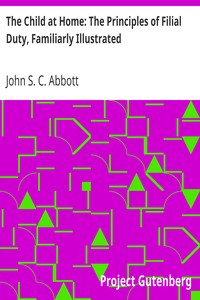
The Child at Home: The Principles of Filial Duty, Familiarly Illustrated by Abbott
Let's be clear from the start: this is not a novel. Published in 1833, 'The Child at Home' is a moral instruction book. John S.C. Abbott, a pastor and prolific writer, aims his lessons directly at young readers, hoping to shape their character through a mix of scripture, stern advice, and cautionary tales.
The Story
There isn't a traditional narrative. Instead, the book is built on a foundation of principles. Abbott argues that a child's primary purpose is to obey and honor their parents, and that this duty is directly tied to their relationship with God. Disobedience isn't just rude; it's a sin. He illustrates this with short, emotionally charged anecdotes. You'll read about children who tell lies and are consumed by shame, sons whose ingratitude leads to their mothers' early graves, and the tragic ends of those who ignore parental wisdom. The consequences are always severe, meant to scare the reader onto the straight and narrow path of perfect behavior.
Why You Should Read It
Reading this today is a wild experience. It's a raw look at the parenting ideals of the past. The emotional pressure Abbott puts on children is staggering—guilt is his primary tool. As a modern reader, you'll likely wince at passages about 'breaking a mother's heart' or the dire warnings about eternal punishment for childhood mischief. But that's what makes it so valuable. It helps you understand the historical roots of certain attitudes about family, authority, and childhood itself. It's less about taking its advice and more about seeing where some of our cultural baggage comes from.
Final Verdict
This book is perfect for anyone interested in the history of childhood, parenting, or American social values. It's a must-read for writers crafting historical fiction set in the 19th century, as it provides the authentic 'voice' of adult authority from that era. If you're looking for a gripping story, look elsewhere. But if you want a short, fascinating, and sometimes unsettling primary source that shows how children were once spoken to, 'The Child at Home' is a compelling glimpse into a very different world.
This book is widely considered to be in the public domain. It is now common property for all to enjoy.
Anthony Sanchez
4 months agoComprehensive and well-researched.
Ethan Lewis
11 months agoI have to admit, the storytelling feels authentic and emotionally grounded. Absolutely essential reading.


Aiden Jackson
8 months agoWow.